Anyone who has owned a bike for more than a few years knows the drill. Something wears out, you head to the nearest shop, and the guy behind the counter hands you a part that “should work fine.” Sometimes it does. Sometimes you’re back within a month wondering why the same problem keeps coming up. The truth is, picking the correct Bike Spare Parts isn’t just about finding something that fits into the slot — it’s about finding something that fits your bike, your riding style, and your budget without cutting corners on safety.
Start With Your Bike’s Actual Specifications
Every model, even within the same brand, can have slightly different specs across production years. A brake pad that works on a 2019 variant might not sit right on a 2022 model, even if they look identical on paper. Before buying anything, pull out your bike’s manual or check the chassis number. It sounds tedious, but this one habit saves riders from the most common mistake — buying a part that’s “close enough” instead of correct.
Genuine vs Aftermarket: Know What You’re Trading Off
This is where most confusion happens. Genuine parts cost more but come with predictable performance and warranty backing. Aftermarket options can be excellent too, but quality varies wildly between manufacturers. If you’re choosing aftermarket Bike Spare Parts, stick to brands with a track record rather than the cheapest listing you find online. A ten percent saving isn’t worth it if the part fails in six months.
Don’t Ignore the Small Components
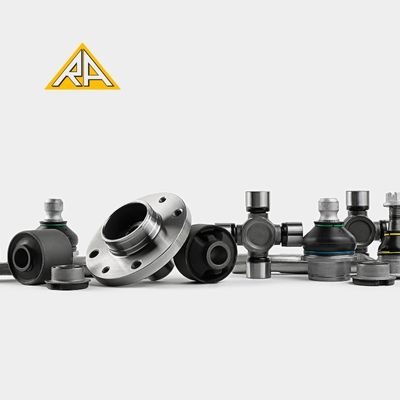
Riders obsess over visible parts like tyres and brake discs, but small components — bearings, bushings, gaskets — quietly determine how smooth your ride feels. Weak links here often cause bigger damage down the road. When sourcing Bike Spare Parts, treat these small pieces with the same seriousness as the big ones.
Buy From a Source That Actually Knows Bikes
Price matters, but so does expertise. A seller who understands compatibility issues, seasonal wear patterns, and model-specific quirks will steer you right far more often than a generic parts marketplace. Ask questions. A good supplier of Bike Spare Parts won’t just sell — they’ll tell you what you actually need, and just as importantly, what you don’t.
Choosing well isn’t complicated once you know what to check. Get the specs right, understand what you’re buying, and pick a source that treats your bike as more than just another SKU.


